(315) 866-4020

[email protected]

Drs. Luck & Golden Optometrists, PC
Menu
  • Home
  • New Patient Center
    • Online Forms
    • Insurance & Payments
  • About Us
    • Meet The Doctors
    • Virtual Tour
  • Eyecare Services
    • Contact Lens Exams
    • Eye & Vision Exams
    • Lasik Eye Surgery
    • Hard To Fit Contacts
    • Vision Therapy FAQ
    • Ortho-K
    • Computer Vision Treatment
    • Sports Vision
    • Sunglasses
  • Frames
  • Testimonials
  • Contact Us
  • Community Content
    • Common Eye Conditions
      • Age-Related
      • Cognitive and Acquired
      • Vision Impairment
      • Injury & Irritation
      • Eye Lids
      • Changes in Appearance
    • Contact Lenses
    • Eye Diseases
    • Eyeglasses
      • Eyeglass Lenses
    • Eye Symptoms
    • How the Eyes Work
      • Basic Visual Skills
    • Pediatric Vision
    • Protecting Your Eyes
    • Visual Rehabilitation
    • Vision Problems
    • What is Vision Therapy
    • Vision Therapy Programs
    • We Can Help With
      • Cataracts
      • Corneal Disorders
        • Disorders
      • Glaucoma
      • Refractive Disorders
      • Adult Strabismus
      • Retinal Disorders
    • Newsletters
      • Glasses & Frames
      • Contacts
      • Tips for Healthy Eyes
      • Conditions That Affect Vision
      • Kid's Vision
      • Amazing, Interesting Eyes
      • Medical Perspectives
  • Home >
  • Articles >
  • We Can Help With >
  • Refractive Disorders >
  • Types of Refractive Surgery

Types of Refractive Surgery

  • Created in We Can Help With, Refractive Disorders
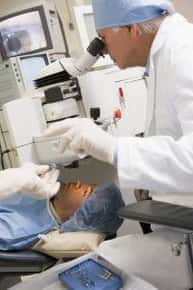
patient in surgery

There are several types of refractive surgery available to correct vision problems caused by refractive errors, including:

  • LASIK (laser-assisted in situ keratomileusis)
  • Custom or bladeless LASIK
  • Photorefractive keratectomy (PRK)
  • Laser epithelial keratomileusis (LASEK)
  • Epi-LASIK
  • Conductive Keratoplasty (CK)
  • Phakic Intraocular Lenses (IOLs)
  • Refractive Lens Exchange (Clear Lens Extraction)

Most of these procedures involve reshaping the curvature of the cornea with laser or heat. Sometimes, a very thin flap is made in the cornea, so the ophthalmologist can access and reshape the cornea underneath. Afterwards, the flap is replaced and the cornea is allowed heal on its own, without the need for sutures.

Before deciding on a type of refractive surgery, talk to your ophthalmologist about the potential risks and side effects. Keep in mind that there is not a single best procedure for everyone. Your ophthalmologist can help you choose a procedure that fits your visual requirements and lifestyle.

  • Common Eye Conditions
    • Age-Related
    • Cognitive and Acquired
    • Vision Impairment
    • Injury & Irritation
    • Eye Lids
    • Changes in Appearance
  • Contact Lenses
  • Eye Diseases
  • Eyeglasses
    • Eyeglass Lenses
  • Eye Symptoms
  • How the Eyes Work
    • Basic Visual Skills
  • Pediatric Vision
  • Protecting Your Eyes
  • Visual Rehabilitation
  • Vision Problems
  • What is Vision Therapy
  • Vision Therapy Programs
  • We Can Help With
    • Cataracts
    • Corneal Disorders
      • Disorders
    • Glaucoma
    • Refractive Disorders
    • Adult Strabismus
    • Retinal Disorders
  • Newsletters
    • Glasses & Frames
    • Contacts
    • Tips for Healthy Eyes
    • Conditions That Affect Vision
    • Kid's Vision
    • Amazing, Interesting Eyes
    • Medical Perspectives

Newsletter Sign Up

Office Hours

Monday:

9:00am - 6:00pm

Tuesday:

9:00am - 6:00pm

Wednesday:

9:00am - 6:00pm

Thursday:

Closed

Friday:

9:00am - 6:00pm

Saturday:

9:00am - 1:00pm

Sunday:

Closed

Contact Us

315-866-4020

d
  • Copyright © 2026 MH Sub I, LLC dba iMatrix.
  • Admin Log In
  • Site Map